

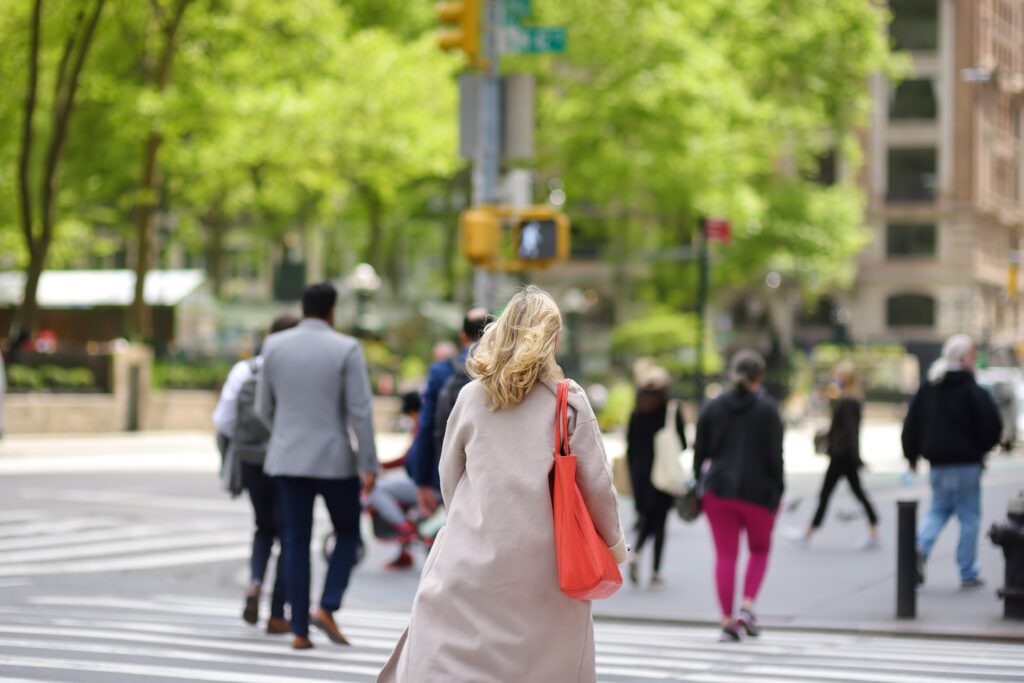
Walking should never be a dangerous activity, yet each year, pedestrians in Alabama face significant risks at intersections and crosswalks. According to the Alabama Law Enforcement Agency (ALEA) Roadway Safety Report 2023, more than 120 pedestrians were killed statewide, marking one of the highest rates in the Southeast. Understanding Alabama crosswalk laws helps both pedestrians and drivers prevent accidents, ensuring everyone knows their rights and responsibilities.
At Caldwell Wenzel & Asthana Injury Lawyers, we help injury victims and their families pursue justice after accidents involving crosswalks. Our experienced team combines deep legal knowledge with compassion, working tirelessly to hold negligent drivers and insurers accountable.
Key Takeaways
- Pedestrians generally have the right of way in most marked and unmarked crosswalks.
- Drivers must remain alert and yield to pedestrians at all times.
- Alabama’s contributory negligence law may limit compensation if a pedestrian is partially at fault.
- Traffic signals and signage often determine who is liable after an accident.
- Hiring an experienced pedestrian accident lawyer can strengthen your claim and maximize your recovery.
Alabama Crosswalk and Right-of-Way Laws
Under Alabama Code Title 32, Sections 32-5A-210 through 32-5A-215, both pedestrians and drivers have clear duties on Alabama roads:
- Drivers must yield to pedestrians crossing in both marked and unmarked crosswalks at intersections.
- Pedestrians must yield when crossing outside a crosswalk.
- Traffic signals apply to everyone, requiring pedestrians to obey “Walk” and “Don’t Walk” indicators.
- Drivers must use due care to avoid colliding with pedestrians, even when they technically have the right of way.
According to the Alabama Department of Transportation (ALDOT) Statewide Pedestrian and Bicycle Plan, unmarked crosswalks are present at nearly every intersection, unless otherwise restricted. Pedestrians who cross mid-block must yield to oncoming traffic, while drivers must slow and remain alert near intersections.
The National Highway Traffic Safety Administration’s (NHTSA) Traffic Safety Facts 2022 report states that nearly 80% of pedestrian fatalities occur outside intersections, highlighting the importance of designated crossings and driver awareness.
Common Crosswalk Accident Scenarios in Alabama
The ALEA 2023 Roadway Safety Report reveals that pedestrian deaths remain steady despite an overall decline in total crash fatalities. Most fatal pedestrian incidents occurred in urban areas such as Mobile, Montgomery, and Birmingham.
Leading Causes of Crosswalk Accidents
- Distracted or speeding drivers
- Poor visibility at dawn, dusk, or nighttime
- Pedestrians crossing outside designated crosswalks
- Drivers are turning without checking for pedestrians.
- Weather conditions obscuring road markings or signals
Nationally, the NHTSA’s 2022 report documented 7,522 pedestrian deaths and an estimated 67,000 injuries, marking an 11% increase from 2021. These national statistics mirror Alabama’s local safety challenges.
The Federal Highway Administration (FHWA) Safe Transportation for Every Pedestrian (STEP) program confirms that enhancements such as raised medians, refuge islands, and flashing beacons can reduce pedestrian crashes by up to 47%. The ALDOT Pedestrian and Bicycle Plan supports these improvements statewide.
Determining Fault: Driver vs. Pedestrian Responsibility
Alabama follows a contributory negligence rule, which means that if a pedestrian is even 1% at fault, they may lose the right to recover damages. Fault may depend on multiple factors, including:
- Whether the pedestrian was inside a marked crosswalk
- If the driver was speeding, distracted, or impaired
- Traffic signal timing and visibility
- Witness statements and surveillance footage
Due to this strict law, determining fault requires a careful investigation. A knowledgeable pedestrian accident lawyer uses evidence such as police reports, video footage, and expert reconstruction to establish liability and advocate for the injured party.
How Traffic Signals and Road Design Influence Liability
Traffic infrastructure and design can significantly affect fault determination. Poorly timed signals, malfunctioning lights, or missing crosswalk signs may contribute to an accident.
According to the FHWA STEP program, features such as leading pedestrian intervals (LPIs) and flashing beacons improve visibility and reaction time, resulting in a nearly 50% reduction in pedestrian crashes. The ALDOT Pedestrian Plan prioritizes implementing these solutions in areas with a high frequency of pedestrian injuries, particularly in Mobile and Baldwin Counties.
If public infrastructure plays a role in a crash, liability may also extend to local or state agencies. Attorneys can review maintenance records, prior incident reports, and engineering assessments to determine whether negligence contributed to unsafe conditions.
Steps to Take After a Crosswalk Accident
If you’re struck by a vehicle, immediate action is essential. Here’s what to do:
- Get medical care immediately. Injuries may worsen without prompt treatment.
- Call the police. Request a detailed accident report.
- Collect evidence. Photograph the crosswalk, vehicle, and injuries; obtain witness information.
- Stay quiet about the fault. Only provide factual information to police or insurers.
- Contact a lawyer quickly. Early legal guidance helps preserve evidence and protect your rights.
The Centers for Disease Control and Prevention (CDC) Pedestrian Safety Division advises quick response and documentation to improve both recovery outcomes and legal standing.
For further guidance, review our Pedestrian Accidents page.
Understanding Your Rights and Possible Compensation
Pedestrian accident victims may be entitled to compensation for:
- Medical treatment and rehabilitation costs
- Lost income and reduced earning capacity
- Pain and emotional suffering
- Permanent disability or wrongful death
Under Alabama law, you generally have two years from the date of the accident to file a claim. A skilled attorney ensures your case meets all filing deadlines and is supported by substantial evidence.
The legal team at Caldwell Wenzel & Asthana manages every detail, from negotiating with insurers to presenting cases in court.
Frequently Asked Questions About Alabama Crosswalk Laws
- What are Alabama’s main crosswalk laws?
Drivers must yield to pedestrians in marked and unmarked crosswalks. Pedestrians must obey all traffic control signals. - Can pedestrians be held responsible for accidents?
Yes. Under contributory negligence, pedestrians who act carelessly may lose their right to compensation. - What should I do after being hit at a crosswalk?
Call emergency services, seek medical help, document the scene, and contact a lawyer before discussing the incident with your insurer. - How long do I have to file a claim in Alabama?
Most pedestrian accident claims must be filed within two years of the date of the incident. - Why should I hire a pedestrian accident lawyer?
A lawyer gathers evidence, negotiates with insurers, and helps secure the compensation you deserve.
Get Legal Help From Experienced Alabama Pedestrian Accident Attorneys
If you or a loved one has been injured in a crosswalk accident, our attorneys at Caldwell Wenzel & Asthana, PC are ready to help. We understand Alabama crosswalk laws and fight to ensure negligent drivers are held accountable.
Serving clients across Mobile, Foley, and Baldwin County, our firm provides dedicated support from investigation to resolution. Contact us today for a complimentary consultation with an experienced Alabama pedestrian accident attorney who will safeguard your rights throughout the process.
About Caldwell Wenzel & Asthana Injury Lawyers
We are a trusted Alabama personal injury law firm with offices in Foley, Mobile, and Daphne. Our attorneys have extensive trial experience and a record of success in pedestrian and vehicle accident cases. We are committed to protecting victims, strengthening community safety, and delivering justice for Alabama residents.
To learn more about our values and results, visit our “About Us” page. Our mission is to make Alabama roads safer for every pedestrian.